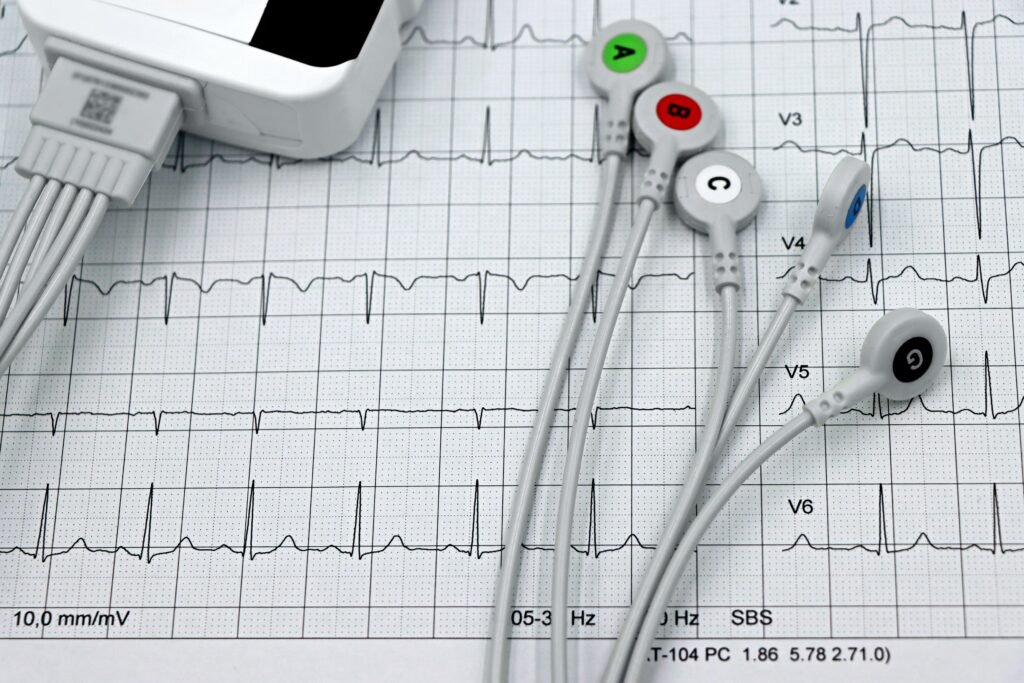
For a long time, electrocardiograms (ECGs) have been an important part of monitoring heart health, helping doctors detect arrhythmias and other heart issues. There are downsides to traditional ECGs, especially when it comes to spotting subtle irregularities that might signal early heart disease. These gaps are starting to close as artificial intelligence moves forward. Dr Andrew Ting says that AI-powered technologies can look at data in ways we couldn’t before, helping doctors spot problems sooner and provide better care.
How AI Helps With Finding Heart Issues
AI algorithms can analyze thousands of ECG readings in just a few minutes, spotting patterns that might slip past the human eye. This includes small changes in the shape of the heartbeat or its rhythm that might signal risks for atrial fibrillation, heart failure, or other conditions. Catching potential problems early lets clinicians intervene before symptoms worsen.
Instead of checking in now and then as usual, AI-powered systems can monitor data continuously from wearables like smartwatches or portable ECG monitors. This ongoing assessment provides a clearer view of a patient’s heart health by catching problems that may only show up occasionally and get missed during regular doctor visits.
Making Diagnoses More Accurate And Cutting Down On Delays
One of the problems with reading ECGs is that the results can vary widely, and it really depends on the doctor’s experience. AI tools help keep things consistent and can reduce false positives and false negatives, which often lead to extra tests or missed diagnoses.
Andrew Ting points out that using AI alongside regular clinical reviews doesn’t replace a doctor’s judgment but actually improves it. Doctors can pay close attention to high-risk cases without worrying that small but important changes will be missed.
Using predictive analytics to help catch health issues before they get worse in preventive care.
AI can do more than just spot issues; it can also predict future heart problems by looking at data collected over time. Risk assessment models can combine ECG results with other health information, such as blood pressure, cholesterol, and lifestyle habits. Patients who are seen as higher risk can receive specific help, such as changes to their medication or guidance on their lifestyle, which might help avoid hospital stays and lead to better health over time.
Practical Uses In Hospitals And Clinics
Hospitals are starting to use AI-assisted ECG interpretation to streamline their workflows. In emergencies, quick decisions can be made in just a few minutes with fast analysis. Outpatient clinics are using AI to keep an eye on patients with chronic conditions from a distance, ensuring any unusual changes in heart function are addressed quickly.
Wearable technology connected to AI platforms enables early alarms, providing both clinicians and patients with real-time information. For people at high risk, like older adults or those with heart issues, these technologies can really make a difference because catching problems early can save lives.
Facing challenges and thinking about ethics are important parts of any project. We need to be honest about the problems that come up and make sure we treat others fairly. Taking time to talk through these issues helps us avoid mistakes and do the right thing along the way.
AI in cardiac care raises many concerns, even though it might help in some ways. Important issues include algorithm openness, data privacy, and possible bias in training datasets. Using AI systems safely depends on ensuring they are built with ethics in mind, tested carefully, and closely monitored. Clinicians need training to properly evaluate AI outputs and understand where they might fall short.
In the end, it’s all about wrapping things up and taking a moment to think back on everything. Whether it’s a project, a story, or just a day’s work, those final thoughts help make sense of it all and give a sense of closure.
Final Thoughts
Artificial intelligence is changing how we detect heart problems by going beyond standard ECGs, providing higher accuracy, greater chances of catching issues early, and the ability to monitor the heart continuously. Andrew Ting MD points out that when doctors blend AI insights with their own clinical experience, they can spot heart issues sooner, help patients get better results, and boost efforts to prevent problems before they start. When healthcare providers carefully integrate AI into cardiac care, they can help manage heart health early, helping prevent serious problems from developing.